Hooked on Phonics Learning
Hooked on PhonicsEducation
4.41.72K Reviews
- Version
- 7.3.04
- Installs
- 1.00M
- Age Rating
- Everyone
Screenshots
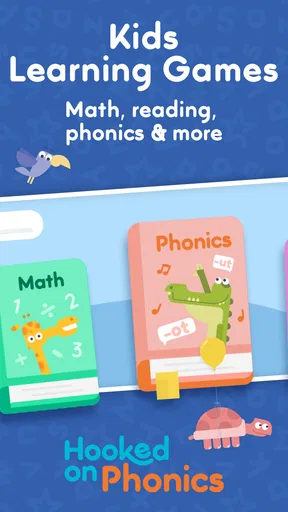
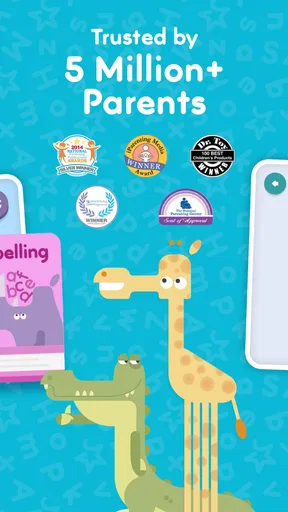
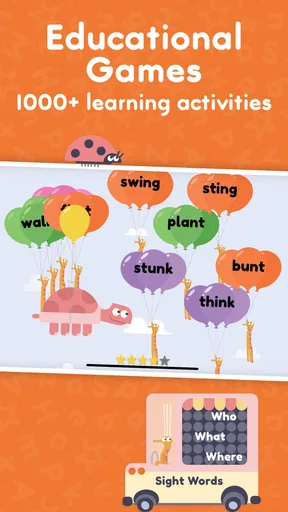
Our Review of Hooked on Phonics Learning
 Analysis by Appyee
For a child who is beginning to connect letters with sounds, a little practice can make reading feel less daunting. I see Hooked on Phonics Learning as a guided way to bring that practice into short, playful sessions rather than another worksheet at the kitchen table. The app comes from Hooked on Phonics, an education-focused developer, and its lessons are aimed at children, with an Everyone age rating.
Who benefits from a guided reading routine
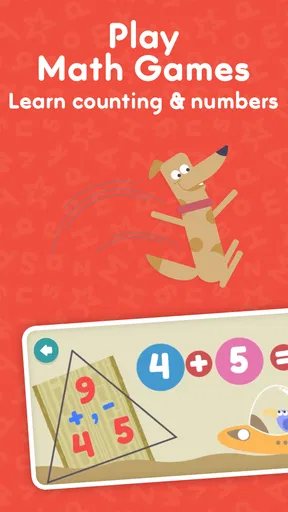
The app is most appealing if your child enjoys a clear next step and responds to stories, songs, and interactive activities. Its mix of reading and math lessons gives families more than a single phonics drill, while the reading sequence can help a beginner revisit a skill before moving on. I would treat it as a companion to shared reading, not a replacement for an adult listening, asking questions, or noticing when a child is confused.
For a practical routine, I’d keep a session short and let the child complete one manageable activity before moving on. A parent can then ask the child to spot a sound or word in a book, turning screen practice into a bridge to print. That small follow-up matters: an app can present a pattern, but a real conversation helps a child connect it to reading with another person.
Readability and navigation in a child’s session
The colorful presentation and straightforward setup make the first visit feel approachable. A young learner is less likely to be faced with a dense page of instructions, and the combination of activities offers several ways into a lesson. I found that this kind of guided structure can be helpful when a child is not yet ready to choose a learning task independently.
There is a useful distinction between a child-friendly screen and genuinely independent navigation. Younger children may still need an adult nearby to start a session, choose an appropriate point in the sequence, or help when they tap the wrong thing. I would sit with a new learner at first, then gradually hand over the familiar parts once the routine is clear. That keeps the experience supportive without expecting the child to manage every step alone.
Different ways to engage, with room for breaks
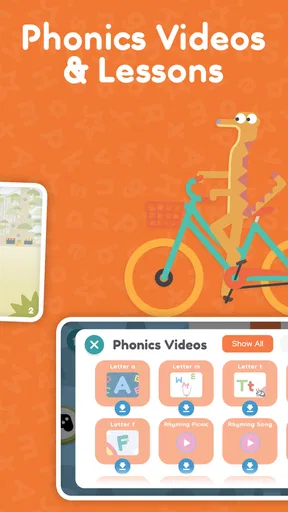
Lessons combine phonics with games, songs, and stories, which is valuable when a child’s attention shifts between listening and doing. Repeating a sound through a different activity can feel less like being tested than repeating the same prompt over and over. The stars and rewards add a visible sense of progress, although I’d use them as encouragement rather than as a reason to push through when a child has had enough.
Children do not all respond to animation, music, or rewards in the same way. A lively presentation may draw one learner in and distract another, while a child who prefers quiet, paper-based practice may find the screen busy. I’d watch how the child reacts instead of assuming that colorful visuals automatically make a lesson accessible or enjoyable for everyone.
Offline use and the realities of family schedules
Downloading lessons for offline use is especially practical for a planned journey or a wait away from home. I’d prepare the material before leaving, then use a lesson as one option during a quiet stretch rather than relying on a connection in the moment. That makes the app easier to fit into a day when a child needs something purposeful to do.
Offline access does not turn every setting into a good learning environment. A noisy car, a crowded waiting room, or a tired child can make it hard to hear or concentrate, even when the lesson is available. I’d save more focused activities for a calmer moment and treat travel use as a convenient extra, not a substitute for a settled reading routine.
How it fits beside books, schoolwork, and other apps
Compared with a library book or an adult reading aloud, the app offers structured practice and interactive repetition; a book offers richer conversation and a more natural chance to pause over a child’s questions. Compared with a general games app, its educational focus is clearer, but that does not mean every child will prefer its format. I’d use it alongside physical books, not as the only source of reading experience.
It can also sit beside classroom work, especially when a family wants a repeatable practice habit at home. But if a child needs a teacher to explain a particular sound, or is already comfortable reading and wants longer stories, direct instruction or independent books may be a better fit. The right choice depends on the child’s current ability and what is making reading difficult, not simply on how much content an app offers.
Cost, expectations, and choosing the right fit
The app is free to install, with optional in-app purchases ranging from $0.99 to $79.99 per item. I would check the purchase details with a parent before building a routine around content that may require payment. Its average rating is 4.3 from around 5,300 ratings, and it has passed one million installs, which suggests broad interest but cannot tell you whether its teaching style will suit your child.
One practical way to decide is to try a small, supervised session and notice three things: whether the child can follow the activity, whether the pace feels comfortable, and whether they are willing to return to it without being pushed. If the child repeatedly needs help with navigation or becomes distracted by the presentation, a shared book or simpler practice activity may be more useful. If the structure helps them settle into regular practice, the app can earn a place in the routine.
First Impressions and Getting Started
When I first opened the app, I was greeted with a colorful and friendly interface. It’s designed to be intuitive, so getting started was a breeze. The app walks you through the setup process with easy-to-follow instructions, which was a relief because who has time to read a manual these days?
The app is divided into different levels, and each level is packed with engaging activities, songs, and stories. It’s perfect for kids in preschool all the way up to second grade. My little one was immediately drawn to the cheerful animations and catchy tunes, which made learning feel like playtime.
Features That Stand Out
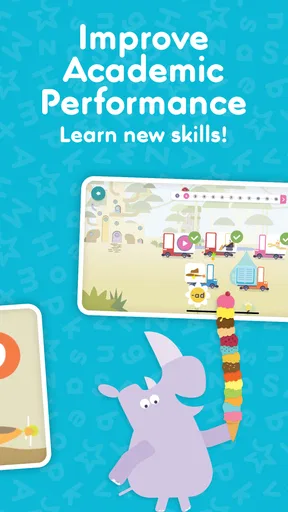
One of the things I absolutely loved about the app is the variety of learning methods it employs. It combines phonics lessons with interactive games, songs, and stories. This multifaceted approach helps keep kids engaged and caters to different learning styles.
Each lesson builds on the previous one, ensuring a solid foundation in phonics. The app also includes a tracking feature, which allows you to monitor your child’s progress. It’s super satisfying to see those little checkmarks appear as your child completes each lesson.
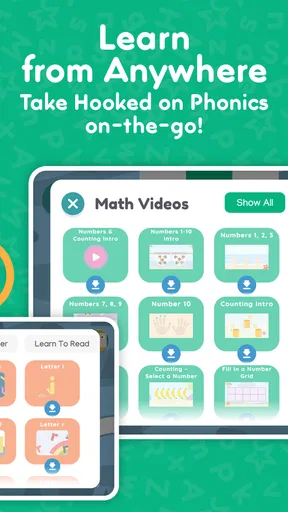
Another standout feature is the offline mode. You can download lessons to use when you’re on the go, which is a lifesaver during long car rides or waiting room marathons. Plus, the app is ad-free, which means no distractions for your little learner.
Engagement and Learning
What really sets this app apart is how it manages to keep kids engaged. The animations are vibrant and the characters are delightful. My kiddo couldn’t get enough of the interactive games that reinforce the lessons. It’s like sneaking vegetables into pasta sauce—your child is learning without even realizing it!
The app’s use of repetition and reward is brilliant. Kids earn stars and rewards as they progress, which motivates them to keep going. It’s a smart way to encourage a love for reading at a young age.
Final Thoughts
Overall, Hooked on Phonics Learning is a fantastic tool for parents looking to support their child’s reading journey. It combines education and entertainment in a way that keeps kids coming back for more. While it’s not a substitute for parent or teacher involvement, it’s an excellent supplement to any reading program.
If you’re considering downloading it, I’d say go for it. It’s a worthwhile investment in your child’s education, and the app’s user-friendly design makes it easy for both kids and parents to navigate. You can find it on both the Android and iOS stores, so it’s accessible for most users. Happy reading!
What I would keep in mind before installing
The app has been available since May 8, 2014, and its current version is 7.3.03. It requires iOS 11 or later. I’d check the device’s operating system before planning to use it, particularly if you’re setting it up on an older tablet that a child uses for learning.
As with any guided learning tool, progress depends on whether the content matches the child’s needs and whether practice stays pleasant. If a child is frustrated, I would pause rather than turn a lesson into a test. If they are already reading confidently, the phonics-led sequence may feel less useful than books chosen around their interests. For a beginner who likes interactive guidance, though, this can be a friendly way to make regular practice feel achievable.
Verdict
Strengths of Hooked on Phonics Learning
- Engaging and interactive lessons.
- User-friendly interface for all ages.
- Comprehensive tracking of progress.
- Offline access to lessons available.
- Rewards system motivates children.
Limitations of Hooked on Phonics Learning
- Limited free content available.
- Requires subscription for full access.
- No multi-user support for families.
- Some features need internet access.
- Lacks advanced reading levels.
Similar Picks in This Category
View All
Duolingo: Language Lessons
Duolingo4.7

Google Classroom
Google LLC2.8

Unacademy: Learn & Crack Exams
Unacademy3.2

Bible App for Kids
Life.Church4.4

Cake - Learn English & Korean
Cake Corp.4.7

Brainly: AI Homework Helper
Brainly4.5
Frequently Asked Questions
What is Hooked on Phonics Learning app?
Hooked on Phonics Learning is an educational app designed to help children improve their reading skills. It offers a variety of interactive lessons, games, and activities tailored to different reading levels. The app aims to make learning enjoyable and effective through a phonics-based approach, enhancing literacy through fun and engaging content.
Is Hooked on Phonics Learning app suitable for all ages?
The app is primarily designed for children aged 3 to 8, focusing on preschool to early elementary levels. It covers foundational reading skills, making it ideal for beginners. However, older children who need additional reading support can also benefit from its structured lessons and interactive exercises.
Does Hooked on Phonics offer offline access?
Yes, Hooked on Phonics allows users to download lessons and activities for offline use. This feature is particularly useful for parents who want their children to continue learning without an internet connection, such as during travel or in areas with limited connectivity.
What kind of content does Hooked on Phonics include?
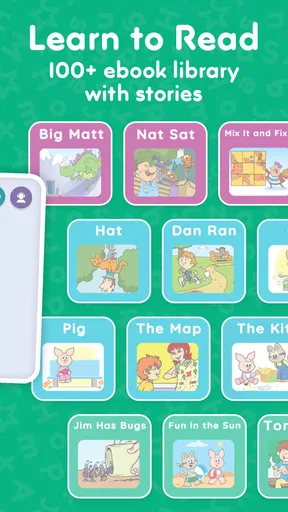
The app features a comprehensive library of content, including interactive lessons, songs, and eBooks. It uses a step-by-step approach to teach phonics, blending sounds, and word recognition. Additionally, it includes reward systems to motivate children and track their progress as they advance through different reading levels.
Is there a subscription fee for Hooked on Phonics?
Hooked on Phonics operates on a subscription model, offering various plans to fit different needs. While it may offer a free trial, continued access to its full range of features typically requires a paid subscription. The cost varies depending on the duration and type of plan chosen, with options for monthly or annual billing.
